Cat’s Cradle and the culture of the 1960s have plenty of overlaps, but I think the ones in most need of highlight are the growing anti-war sentiment, nuclear paranoia, and the counter-culture (hippie) movements.
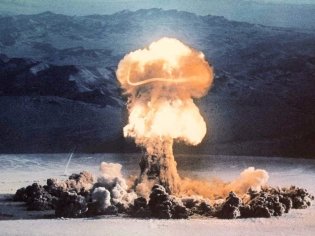
In 1962, a 13-day standoff between the US and the Soviet Union took place after the Soviet Union responded to the US nuclear capabilities in Turkey and Italy by placing its own nuclear missiles in Cuba. This was arguably the closest the world has come to full scale nuclear war and the results could have been devastating. The anti-nuclear weapon sentiment is shown throughout Cat’s Cradle both in the narrator’s dislike for Dr Felix for having created the atom bomb and the even more sinister ice-nine, a doomsday device that would freeze all water on earth even at the highest of ambient temperatures. The narrator also shows his disgust of the children of Dr Felix with the use of the label “son of a bitch” when describing them continuing to carry around their share of the ice-nine.
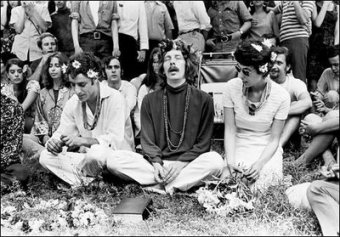
The narrator is initially a Christian but is seduced by the teachings of Bokonon. Bokononism, offering its sweet lies, is a response to the prevailing wisdom that pursuit of truth is paramount to all else. This rejection of the rigid cultural norms present in the west could also be seen in the hippie movement of the 1960s. Free love, drug experimentation, and the shirking of conventional wisdom were some of the anti-establishment ideals seen in the hippie movement during the 1960s. Hippie communes were made that sought harmony and utopian ideals not unlike some of the ideals in San Larenzo. Women’s rights were another ideal found in the counterculture movements of the 1960s which could have something to do with Mona Monzano’s repeated attempts to stop being an erotic symbol to San Larenzo.

 Chris Hamrick's Intellectual Heritage Blog