When looking at how gender influences literature and religion, it’s important to note that women were not given a lot of autonomy in much of the history available. The Bible and The Koran both treat women as the lesser gender and in some cases are purely property of their fathers or husbands. This has much to do with the societies at the time and the fact that most holy books were written, transcribed, and translated by men. As society has progressed and women’s rights have evolved, the verses that used to keep women subjugated are ignored. Christians no longer are demanding women retreat to their tents/rooms until their mensuration is over. So, while the words in the Bible/Koran are an influence on their respective religions, gender equality and the advancement of society are also huge influences on religion.
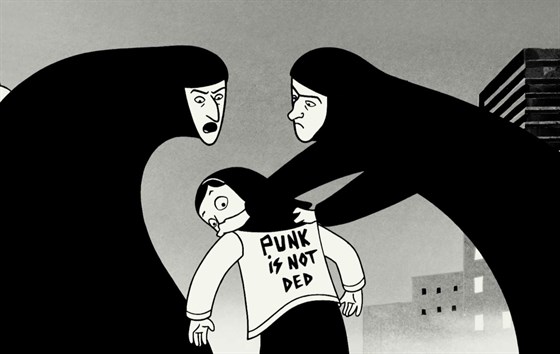
Moving away from religion, when it comes to literature, gender also plays a large role. There are so many books out there written by men with amazing stories and characters except for the female character. The females are often one-dimensional and serve the role of mother or lover. This, of course, is not always true, but it does speak to one’s experience. Men have the luxury of being able to be “above” the gender issue because they have been on top for so long. Women have been and still are subjugated throughout the world and this has an impact on their writing. In Persepolis, the main character is a great example of this as the main character wants to be a free spirit but is being repressed by the Islamic regime into wearing a veil.

 Chris Hamrick's Intellectual Heritage Blog